In recent years, Ibogaine therapy has emerged as a promising alternative treatment for substance addiction and mental health disorders. Ibogaine is known for its psychoactive properties and profound therapeutic experiences. Beyond its hallucinogenic effects, research suggests that Ibogaine may have significant regenerative effects on the brain, offering new avenues for healing and recovery.
Understanding Ibogaine
Ibogaine is a unique psychedelic compound traditionally used in spiritual ceremonies by the Bwiti tribe. It has gained traction for treating addiction, particularly opioid dependence. Users often report profound insights and clarity regarding their addictions during therapy. Recent discovery of the improvement of Parkinson’s, Multiple Sclerosis and TBI symptoms with a micro dosing protocol is also promising news for those seeking relief.
Neurobiological Mechanism
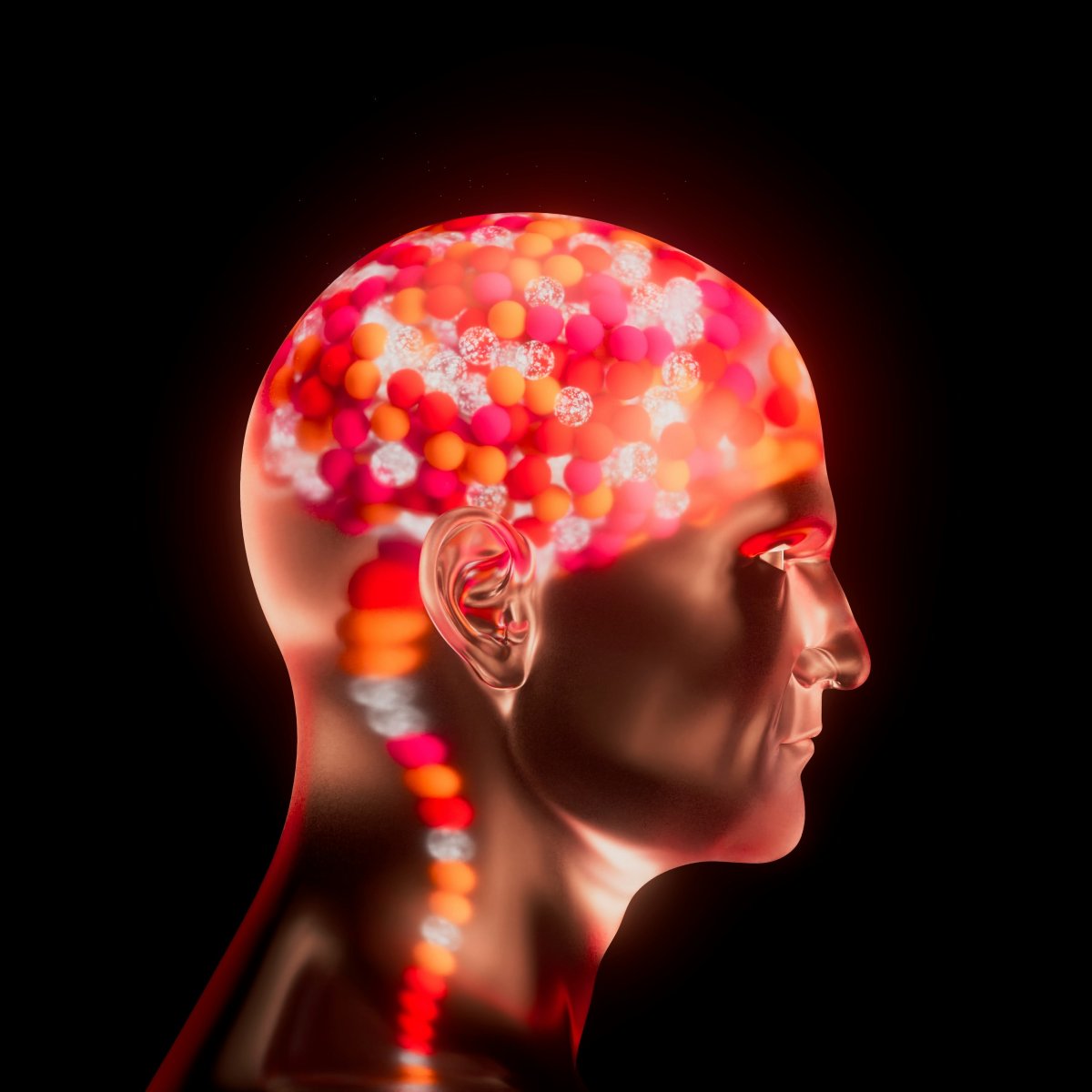
Ibogaine\’s interaction with the brain\’s neurochemistry is one of its most intriguing aspects. It affects multiple neurotransmitter systems, including serotonin, dopamine, and glutamate, potentially resetting the brain\’s reward pathways often hijacked by addiction.
Neurogenesis and Brain Plasticity
Emerging studies indicate that Ibogaine may promote neurogenesis, particularly in the hippocampus, which is essential for memory and learning. Enhanced neurogenesis can lead to improved cognitive function and emotional regulation, while increased brain plasticity allows individuals to develop healthier coping strategies.
Expanding Potential: Parkinson’s, Multiple Sclerosis, and TBI
Recent research has begun exploring Ibogaine\’s potential beyond addiction treatment. Preliminary findings suggest it may be effective for neurodegenerative conditions like Parkinson’s disease and multiple sclerosis (MS), as well as traumatic brain injuries (TBI).
Parkinson’s Disease
In Parkinson’s, the death of dopamine-producing neurons leads to motor control issues. Ibogaine\’s ability to stimulate neurogenesis and modulate dopamine levels may slow disease progression and alleviate symptoms, with some patients reporting improvements in motor function.
Multiple Sclerosis
For multiple sclerosis, characterized by immune-mediated damage to the central nervous system, Ibogaine might aid in repairing damaged neurons and promoting myelin regeneration. Its neuroprotective and anti-inflammatory properties could offer new therapeutic pathways for MS patients.
Traumatic Brain Injuries
For individuals with traumatic brain injuries, Ibogaine\’s potential to enhance brain plasticity and promote neurogenesis may support recovery and rehabilitation, providing a better chance of regaining lost functions.
The Therapeutic Journey
Undergoing Ibogaine therapy is a deeply personal experience. Many participants report profound insights, allowing them to confront underlying emotional issues that contribute to addiction. By addressing these root causes, Ibogaine therapy fosters long-term emotional healing and resilience.
Clinical Evidence and Future Directions
While the anecdotal evidence surrounding Ibogaine therapy is compelling, scientific research remains in its early stages. Clinics such as ours have reported significant reductions in cravings and withdrawal symptoms for clients suffering from addiction, with more clinics offering treatments for conditions like Parkinson’s, MS and TBI. Inner Realms Center is dedicated to continued education around protocols using ibogaine that can assist not only those suffering from addiction and mental health conditions but also those suffering from progressive neurological conditions.
As interest in psychedelic-assisted therapies grows, researchers are exploring Ibogaine\’s potential for other mental health disorders, such as depression and PTSD, due to its ability to promote neurogenesis and brain plasticity.
Ibogaine therapy represents a promising intersection of traditional healing and modern neuroscience. Its regenerative effects on the brain offer hope for those struggling with addiction and various neurological conditions. Continued research may reveal Ibogaine as a powerful tool for transformation and recovery, reshaping our understanding of healing and regeneration. Inner Realms Center will continue to offer these life changing treatments in a medically, personalized and supportive setting with years of experience guiding clients safely and with compassion.

