
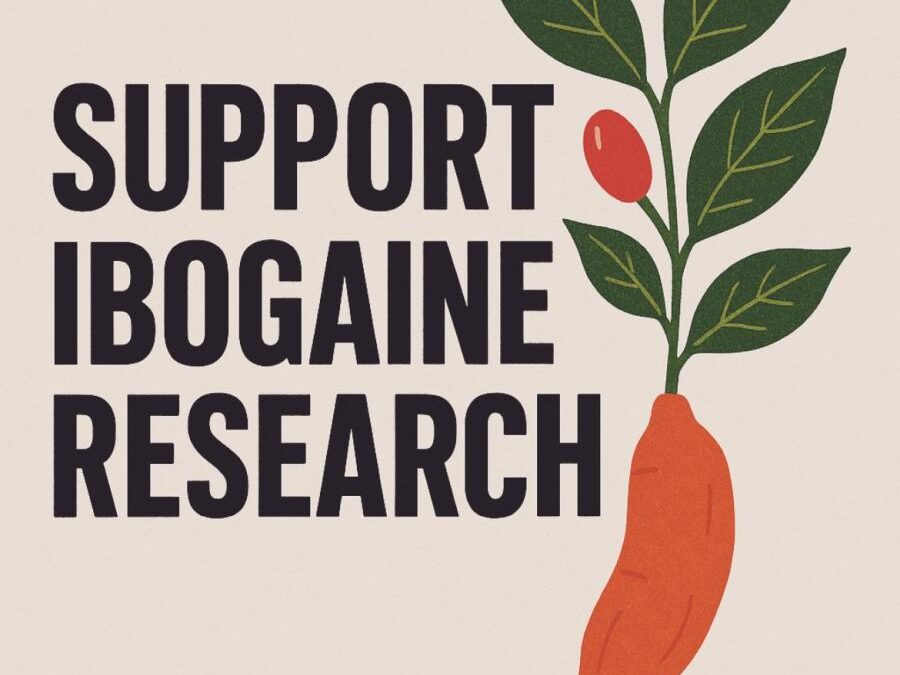
In recent years, the conversation surrounding addiction treatment has evolved significantly, with a growing interest in alternative therapies. Among these, Ibogaine has emerged as a potential game-changer in the fight against substance use disorders. The Texas Ibogaine Initiative is a landmark effort that seeks to advance the research, accessibility, and acceptance of Ibogaine treatment, making it a pivotal development in the realm of addiction recovery.
Understanding Ibogaine
Ibogaine is a naturally occurring psychoactive substance derived from the root bark of the Iboga plant, native to West Africa. Traditionally used in spiritual ceremonies by the Bwiti tribe, Ibogaine has garnered attention for its ability to interrupt addiction cycles, particularly for opioids, alcohol, and stimulants. Users often report profound experiences that lead to a better understanding of their addiction, helping them to confront underlying issues that fuel substance use.
The Need for Innovative Treatment Options
The opioid crisis in North America has reached staggering proportions, with millions affected by addiction. Traditional treatment modalities, such as methadone and suboxone, while effective for some, do not work for everyone and often come with their own set of challenges, including relapse rates. There is an urgent need for innovative solutions that address these shortcomings.
The Importance of the Texas Ibogaine Initiative
1. Research and Regulation: One of the central goals of the Texas Ibogaine Initiative is to promote rigorous scientific research into the efficacy and safety of Ibogaine treatment. By establishing a framework for clinical studies, the initiative aims to generate credible data that can support the case for regulatory approval, ultimately leading to wider acceptance within the medical community.
2. Accessibility: Currently, access to Ibogaine treatment is limited, often requiring individuals to travel to countries where it is legal. The initiative seeks to pave the way for licensed treatment centers in Texas, making this potentially life-saving therapy more accessible to those in need. By localizing treatment, patients can receive care in a familiar environment, reducing barriers to entry.
3. Public Awareness and Education: The initiative also focuses on raising awareness about the benefits and potential of Ibogaine therapy. Misinformation and stigma surrounding addiction treatment can hinder progress. Through educational campaigns, the Texas Ibogaine Initiative aims to inform the public, healthcare professionals, and policymakers about the therapeutic advantages of Ibogaine, fostering a more supportive environment for those seeking help.
4. Holistic Approach to Recovery: Ibogaine is not a standalone solution; it is part of a broader, holistic approach to addiction recovery. The initiative encourages integrated treatment plans that combine Ibogaine therapy with counseling, support groups, and aftercare services. This comprehensive approach can enhance the chances of long-term recovery and improve overall well-being.
5. Advocacy for Policy Change: By advocating for policy changes at the state and national levels, the Texas Ibogaine Initiative aims to create a legal framework that supports the responsible use of Ibogaine in addiction treatment. This advocacy is crucial for establishing standards that ensure patient safety while also promoting research and development in the field.
The Texas Ibogaine Initiative represents a significant stride toward transforming the landscape of addiction treatment. By prioritizing research, accessibility, education, and policy change, this initiative has the potential to save countless lives by offering a new path to recovery for those struggling with addiction. As we continue to seek effective solutions to the addiction crisis, the importance of such innovative approaches cannot be overstated. Embracing the potential of Ibogaine treatment through initiatives like this is not just a medical necessity; it is a moral imperative that can lead to healthier communities and brighter futures.