Ibogaine Treatment at Inner Realms Center
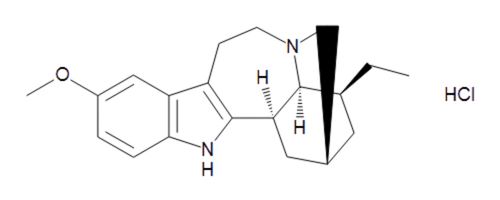
Ibogaine is a powerful psychoactive compound derived from the Tabernanthe iboga plant. It is known for its unique ability to interrupt addictive patterns, recalibrate the nervous system, and bring insight into long-standing emotional and behavioral cycles.
At Inner Realms Center, ibogaine treatment is offered within a structured, clinically supported residential environment. Our approach emphasizes medical oversight, continuous monitoring, and individualized pacing to support safety, stabilization, and meaningful change.
Ibogaine is not a quick fix. It is a demanding experience that requires preparation, clinical screening, and careful post-treatment support. Our role is to provide a contained setting where participants can engage with the process safely and with appropriate guidance.

What Is Ibogaine?
Ibogaine is a naturally occurring psychoactive alkaloid extracted from the root bark of the Tabernanthe iboga plant, traditionally used in ceremonial contexts in parts of Central Africa.
In modern therapeutic settings, ibogaine has gained attention for its potential role in interrupting addiction and compulsive behaviors, particularly opioid dependence. Unlike conventional treatments that require ongoing dosing, ibogaine is typically administered as a single-session intervention within a controlled clinical environment.
Ibogaine produces a prolonged psychoactive experience that can involve vivid imagery, autobiographical recall, and periods of deep introspection, followed by a distinct post-acute phase of neurological sensitivity and recalibration.
Its effects are complex and not fully understood, which is why treatment must be approached with caution, screening, and medical supervision.
How Ibogaine Works
Clinically and anecdotally, ibogaine is associated with:
- Temporary interruption of opioid withdrawal symptoms
- Modulation of neurotransmitter systems involved in addiction and mood
- Reduction in cravings following treatment
- Intense autobiographical and reflective cognitive processes
Rather than producing a purely visionary or emotional experience, ibogaine often facilitates a structured internal review of past experiences, behaviors, and patterns.
Following the acute phase, many participants enter a post-ibogaine window characterized by heightened neuroplasticity and emotional sensitivity. This period requires rest, stabilization, and careful support.

Safety and Clinical Oversight
Ibogaine carries significant medical risks if administered without proper screening and supervision. At Inner Realms Center, safety is addressed through:
- Pre-arrival medical screening and documentation
- Cardiovascular risk assessment
- Continuous monitoring during treatment
- On-site clinical presence throughout the process
Ibogaine is not appropriate for everyone. Certain medical conditions and medications increase the risk of serious adverse events.
Treatment is only offered when it is deemed clinically appropriate based on a comprehensive review of the participant’s medical history.
Eligibility & Medical Considerations
Ibogaine treatment requires careful medical screening to ensure it can be offered safely and responsibly.
Certain medical conditions and medications may increase risk and require additional review. These can include, but are not limited to:
- Cardiac conditions or abnormal ECG findings
- History of seizures or certain neurological disorders
- Significant liver or kidney impairment
- Certain psychiatric conditions
- Use of medications that may interact with ibogaine
Many questions around eligibility can be clarified during the intake process. Each individual is reviewed carefully and confidentially by our clinical team.
Our goal is not to exclude unnecessarily, but to ensure that treatment is offered only when it can be done safely and appropriately.

Scientific and Clinical Context
Research into ibogaine is ongoing and remains limited due to regulatory restrictions in many countries.
Existing studies and observational data suggest potential effects on addiction-related pathways, neuroplasticity, and withdrawal modulation. However, ibogaine is not an approved medical treatment in most jurisdictions and should be approached with caution and informed consent.
Inner Realms Center does not present ibogaine as a cure. Our approach is grounded in clinical prudence, transparency, and participant education.
Frequently Asked Questions
Is ibogaine a cure for addiction?
No. Ibogaine may interrupt patterns and create an opportunity for change, but long-term outcomes depend on multiple factors, including preparation, integration, and ongoing support.
How long does the treatment last?
The acute ibogaine experience can last 24 to 36 hours, followed by a recovery and stabilization period.
Is integration required?
Integration is not mandatory but is strongly encouraged. Inner Realms Center provides referrals to independent integration providers.
Is ibogaine legal?
Legal status varies by country. Participants are responsible for understanding the laws in their jurisdiction.
Comfort & Daily Care
- All meals freshly prepared onsite using high-quality, organic ingredients
- Laundry service available as needed
- Thoughtfully maintained living spaces prepared to a high standard of cleanliness and comfort